Restore, replace or blend: a way to decide
Old bathrooms have a way of making us sentimental. The octagonal floor tile, the clawfoot tub, the pedestal sink. Some of that is worth saving, and some of it is only worth saving until you've seen what's behind it. Here's a simple way to sort it out.
| Element | Often worth keeping if | Often better replaced if |
|---|---|---|
| Clawfoot or cast iron tub | The finish can be refinished and the floor supports it | It's cracked, rusted through or leaking at the drain |
| Small mosaic or hex floor tile | It's firmly bonded and mostly intact | Large areas are loose, or the subfloor beneath is soft |
| Wood trim and doors | They're sound and can be stripped or repainted safely | They're warped, damaged or heavily lead-painted |
| Pedestal sink | The porcelain is intact and plumbing lines up | You need storage that a pedestal can't offer |
| Window in or near the shower | It's in good shape and can be properly waterproofed | Rot is present or there's no way to seal it from moisture |
Things to test or ask about before demolition
Disturbing old materials without knowing what they are can create health risks. These are worth raising before anyone picks up a hammer:
- Lead-based paint. Homes built before 1978 may have it on trim, windows and walls. Paid renovators working in those homes are supposed to follow the EPA's lead-safe renovation rules. Ask whoever you hire whether they're certified.
- Asbestos in old flooring or adhesive. Some floor tiles and mastics from earlier decades contain asbestos. Testing is the only way to know. Don't sand or break up old flooring before it's been checked.
- Knob-and-tube or aging wiring. Bathrooms need modern GFCI-protected circuits. If wiring behind the walls is old, an electrician will need to look.
- Unusual framing. Older homes may have non-standard stud spacing or notched joists that affect where fixtures can go.
What "fitting modern into old" looks like
You can have a bathroom that respects the house and still functions like a current one. Some common approaches:
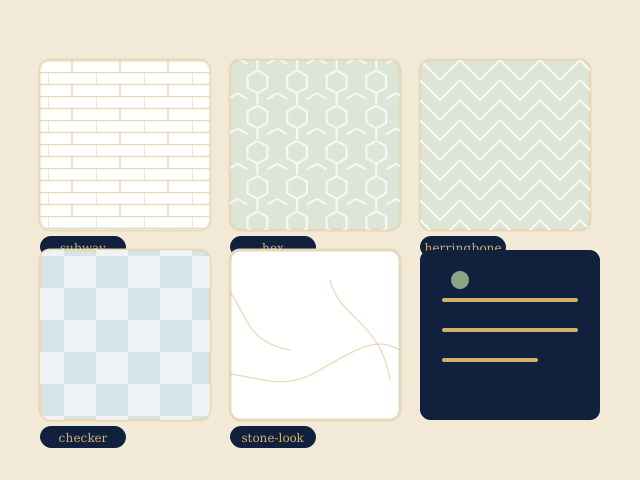
- Choose tile patterns, such as subway, hex or small-format, that echo period styles without being reproductions.
- Pick fixtures with traditional shapes and modern internals, so the valves are new even if the faucet looks classic.
- Add a larger exhaust fan, which many older bathrooms lack, to protect the plaster and paint.
- Put in a hidden luxury such as radiant floor heat beneath classic tile.
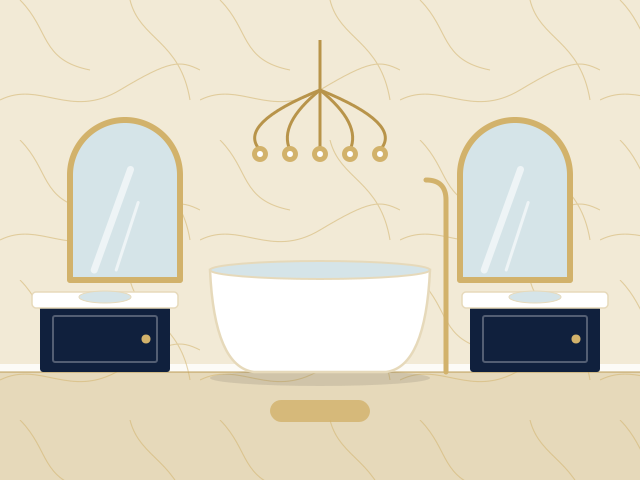
- Use a freestanding or clawfoot-style tub only if the floor and plumbing can handle it. See our bathtub replacement page for material and weight considerations.
Check for designations before you plan exterior changes
Bathroom work is mostly interior, but if the project touches windows, vents or anything visible outside, check whether your property has any local historic designation or association rules. Ask the City of Naperville or your association if you aren't sure. It's usually a quick question that avoids a problem later.
Permits and licensed trades
The city's residential alteration permit process applies when plumbing, electrical or structural work is part of the job. Plumbing contractors submit a State of Illinois license, and the city won't issue the permit until all subcontractors are named. See the City of Naperville residential alteration guidance. Older houses may need additional upgrades to meet current rules once work is underway, so ask each provider how they'd handle those.
If you're gathering information first, our overview of Naperville's bathroom remodeling providers lays out how the referral process works. When you're ready to talk about a specific plan, call and we'll connect you with an independent provider. Our Downtown Naperville page covers how newer in-fill houses differ from older ones, and the luxury bathroom remodeling page covers heirloom-quality finishes in more depth.