What a shower remodel includes (and what a refresh doesn't)
People use "remodel" for everything from re-caulking to gutting the room, so it helps to separate the two ends. A refresh is new grout, new caulk, maybe a new showerhead. A remodel means the old tile and the layers beneath it come out, the plumbing is checked, and the shower is built again from the framing up.
On a typical full shower remodel, a provider will:
- Demolish the old surround and base, then inspect the studs and subfloor for rot or old leaks.
- Reframe where needed, including blocking for a bench, a shower niche or future grab bars.
- Set a new pan or prefabricated base, correctly sloped to the drain.
- Install a waterproofing system on the walls and floor, then flood-test the base before any tile goes up.
- Replace or rough in the valve, and set the showerhead and handheld positions you chose.
- Tile, grout, seal where needed, and finish with the door or curtain rod.
If you're mainly deciding between a shower and a tub, our page on tub to shower conversion covers that choice in detail. This page assumes you already want a better shower and want to know how to approach it.
The four decisions that shape everything else
1. Prefab base or custom tiled floor
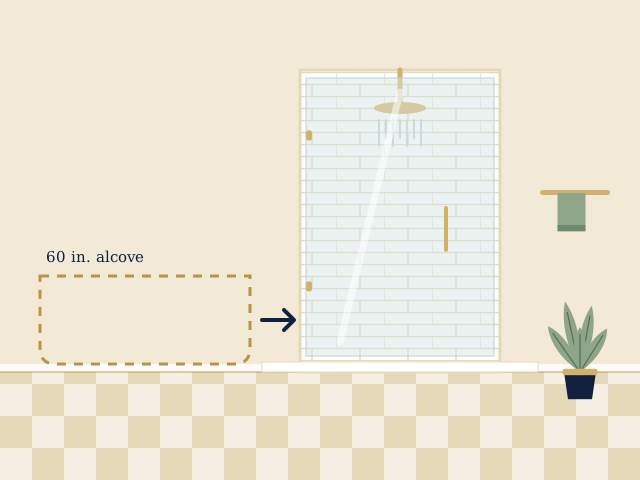
A prefabricated acrylic or solid-surface base is faster to install and has fewer places for water to hide. A custom tiled floor lets you match the room and use any size you like, but the quality of the waterproofing matters far more because the floor is only as good as the layers under the tile. Neither is "better" in the abstract. A standard 60 by 32 inch opening usually fits a prefab base neatly; an odd-sized or curbless shower usually points to a custom build.
2. Curb, low curb or curbless
A curbless entry looks clean and helps anyone with limited mobility, but it needs the floor to slope into the drain from further out, and in some houses that means lowering the subfloor between joists. If your bathroom is on a slab or you're also considering accessibility upgrades, ask about it early. If your joists run the wrong way, a curbless design can add real labor.
3. Valve and head type
Pressure-balancing and thermostatic valves both help prevent scalding when someone flushes a toilet elsewhere in the house. Thermostatic valves let you set an exact temperature and are popular with multi-head showers. Federal rules cap showerheads at 2.5 gallons per minute, and many WaterSense models run at 2.0. Several heads on one valve can ask more of your water heater than you'd expect, which is worth mentioning when you talk to a provider.
4. Storage, seating and the details you'll touch every day
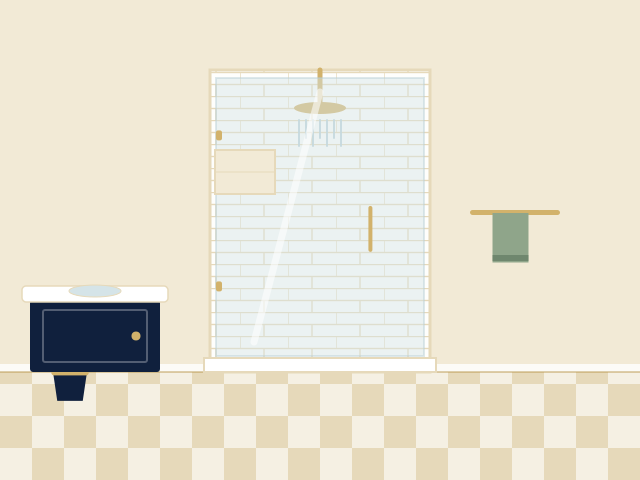
A recessed niche has to be planned during framing, so decide on it before the walls close. The same goes for a fold-down seat or a built-in bench. Put the niche where you can reach it from the shower stream's edge, not directly in it.
A quick way to sanity-check any proposal
Ask the provider what waterproofing system they use and where it starts and stops. A clear answer (what material, how seams are treated, whether the base is flood-tested) is a good sign. A vague one is a reason to keep asking.
Signs your shower is past a cosmetic fix
- Tiles sound hollow when you tap them, or a few have started to shift.
- Grout keeps cracking or turning dark again within weeks of cleaning it.
- The wall outside the shower feels soft, looks stained or smells musty.
- There is a water mark on the ceiling below the bathroom.
- The base flexes when you stand on it, or water pools instead of draining.
Any one of these can mean moisture has been getting past the surface for a while. That's why a good provider opens the wall before quoting a final number. Pricing a shower without knowing what's behind it is a guess.
What moves the price on a shower remodel
We don't publish prices here because the providers you'll speak to set their own, and a shower can be a modest job or a major one. These are the factors that tend to separate the two:
| Factor | Why it changes the scope |
|---|---|
| Moving the drain or valve | Relocating plumbing means opening the floor or wall, and often needs a permit and inspection. |
| Size and shape | Larger or custom shapes mean more tile cuts, more waterproofing and sometimes custom glass. |
| Tile choice | Large-format and natural stone need flatter substrates and more careful setting than basic ceramic. |
| Hidden damage | Rotted framing or a damaged subfloor has to be repaired before anything new is built on it. |
| Fixtures and glass | Multi-head systems, body sprays and heavy frameless glass add parts and installation time. |
Permits and licensing in Naperville
If your project changes plumbing or electrical, the City of Naperville expects a residential alteration permit and inspections. Cosmetic work like painting or flooring on its own doesn't need one. Plumbing contractors submit a State of Illinois plumbing license with the application, and electricians must be licensed and registered with the city. The details are in the City of Naperville residential alteration guidance and are worth a skim before you sign anything. When you're talking to providers about bathroom remodeling in Naperville, ask who pulls the permit and who schedules the inspections.
What happens when you call
You'll talk to someone who asks about your project: tub-to-shower or shower-to-shower, rough size, whether you want a bench or a curbless entry, and when you'd like to start. Then we connect you to an independent provider who works in the Naperville area. They can ask their own questions, and they set their own pricing and schedule. You're not committing to anything by calling.
Where this comes up around Naperville
The age of your house changes what a shower rebuild uncovers. In Old Naperville and Downtown Naperville, providers will often want to look inside the walls before they commit to a price. In larger homes, curbless and wet-room showers are a bigger part of the conversation, which our Ashwood Park page explores.